Source Plant Support Net for Greenhouses, Gardens, and Trellises
Compare 30 plant support net options from China. Evaluate materials like PE and PP, colors, and specifications to find the right solution for your agricultural or gardening needs. These nets offer ventilation, corrosion resistance, and durability for various climbing plants and protective applications in outdoor environments.
Key considerations
Products List


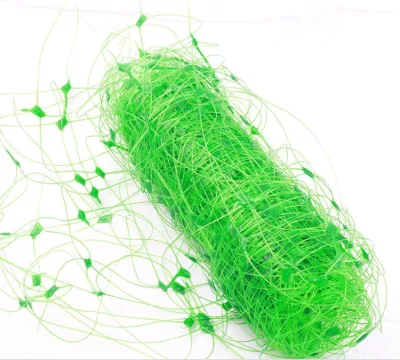
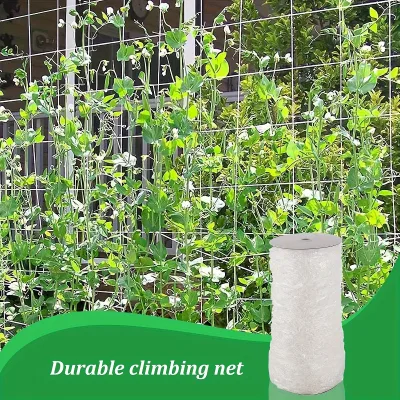


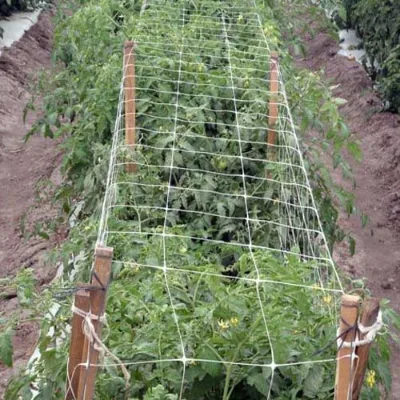


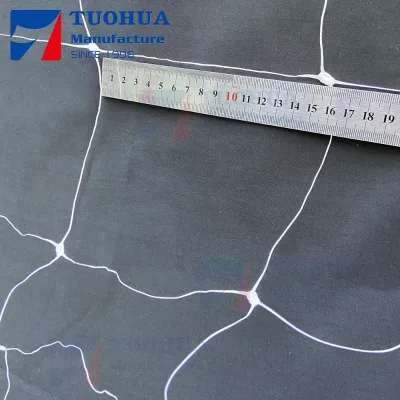
Comprehensive Sourcing Guide
Plant Support Net Sourcing Guide
Buyers must first distinguish between the specific functional variants available in the current market, as the product category encompasses distinct items like aquaculture nets, climbing plant supports, and general protective nets. The observed listings reveal a diverse range of models, including CY-25211, SN-W002, and PS-W001, each tailored for different agricultural or structural needs. Understanding whether the requirement is for a heavy-duty extruded net or a lightweight tied belay rope is the primary step in defining the procurement scope.
The market signals indicate that customization is a standard feature rather than an exception, with suppliers offering tailored dimensions and colors to match specific crop requirements. Buyers should note that while some listings specify fixed widths like 1.7 meters, others offer fully customized sizing up to 1000 meters in length. This flexibility allows for precise matching to greenhouse structures or open-field trellising systems, but it also requires clear communication of exact dimensions to avoid fulfillment errors.
Product Scope and Observed Listing Signals
Procurement teams should verify the material composition immediately, as the listings show a split between Polyethylene (PE) and Polypropylene (PP) constructions. The PE variants are often highlighted for their resistance to alkali and acid environments, making them suitable for specific soil conditions, while PP materials are frequently associated with support nets for cucumbers. Confirming the base polymer is essential because it dictates the chemical resistance profile and the expected lifespan of the installed netting in the field.
Color selection serves as a critical visual indicator of the product's intended use and environmental resistance capabilities. The available inventory includes green, white, and black options, with some suppliers offering mixed color requests to suit aesthetic or functional needs. Green variants are typically associated with blending into vegetation for climbing plants, whereas white or black options may be selected for specific light reflection properties or UV management strategies in different climates.
Technical Specifications to Verify
Dimensional accuracy is a primary verification point, as the observed data lists a wide array of length options ranging from 5 meters to 1000 meters. Buyers must confirm the specific roll configuration, such as 4x100m or 2x100m, to ensure the packaging aligns with their storage and installation logistics. The width specifications also vary significantly, with standard offerings at 1 meter, 1.5 meters, and 1.8 meters, alongside fully custom requests that require precise engineering validation before production begins.
Weight and density metrics are equally critical for determining the structural integrity and durability of the netting under load. The listings indicate gram weights ranging from 8g to 10g per square meter, with some products specifying 8GSM or 10GSM as standard benchmarks. These weight classes directly influence the net's ability to support heavy crops like cucumbers or tomatoes without sagging, and they also correlate with the expected service life of two to three years in typical agricultural applications.
Compliance and Safety Documentation
While specific certification documents are not explicitly detailed in the provided listings, buyers should request evidence of material safety for agricultural use, particularly regarding chemical resistance. The product attributes highlight resistance to high and low temperatures, as well as corrosion, which implies a need for verification that the plastic materials do not leach harmful substances into the soil or crops. Ensuring the netting meets local agricultural safety standards is a prerequisite for maintaining crop quality and regulatory compliance in the destination market.
Packaging standards also play a role in the safety and integrity of the product during transit and storage. The observed data mentions packing methods such as "One Roll One Plastic Net" or "One Roll Into a PE Bag," alongside carton packaging with specific unit counts like 50 pieces per carton. Buyers must verify that the packaging protects the net from UV degradation and physical damage during the 20 to 35-day delivery window, ensuring the product arrives in a condition suitable for immediate deployment.
Cost Drivers and Commercial Terms
Pricing in this category is highly variable, with observed ranges spanning from $0.01 to $5000, driven largely by the total volume and the degree of customization required. The Minimum Order Quantity (MOQ) also fluctuates significantly, ranging from 1 unit to 50,000 units, which allows small-scale farmers to test products while accommodating large industrial contracts. Buyers should analyze the cost per square meter rather than the total order value to accurately compare suppliers offering different roll lengths and widths.
Payment terms and delivery timelines are key commercial factors that influence the overall procurement strategy and cash flow management. The standard payment methods observed include Telegraphic Transfer (TT) and Letter of Credit (LC), offering flexibility for different risk profiles. Additionally, the lead time of 20 to 35 days must be factored into the planting schedule, as delays in delivery could disrupt the critical window for installing support structures for climbing crops.
Supplier Qualification and Quality Control
Geographic origin is a significant factor in supplier qualification, with the majority of observed listings originating from China, specifically the Anhui region. This concentration suggests a mature supply chain with established logistics for agricultural plastics, but it also necessitates rigorous quality control checks to ensure consistency across different batches. Buyers should verify the supplier's capacity to maintain the specific model numbers and standards, such as the CY-25211 or KDNT007, to avoid receiving substandard or mismatched inventory.
Quality control should extend to the manufacturing process, specifically the extrusion method and the tying techniques used for the plastic ropes. The listings distinguish between "Tied Belay" and "Skipping" rope types, which affect the knot strength and the overall stability of the net structure. Verifying that the supplier adheres to the specified production standards, such as the weight specifications of 8g or 10g, is essential to ensure the net performs reliably under the mechanical stress of growing plants.
Long-Term Procurement Checks
Sustainability and longevity are critical considerations for long-term procurement, as the observed service life for these nets is typically between two and three years. Buyers should evaluate the supplier's track record for maintaining the performance claims of ventilation, corrosion resistance, and temperature resistance over multiple seasons. Consistent performance in these areas reduces the frequency of replacement and minimizes the long-term cost of ownership for agricultural operations.
Future-proofing the supply chain involves establishing a relationship with suppliers who can adapt to changing agricultural needs and regulatory environments. The availability of OEM services and customized packing options indicates a supplier's willingness to collaborate on evolving product requirements. Maintaining open communication regarding performance feedback and potential design improvements ensures that the procurement strategy remains aligned with the latest advancements in plant support technology.
FAQs
What material is the plant support net made of?
The plant support net is made of PE plastic, with some extruded variants produced from PP. Both materials are corrosion resistant, acid and alkali resistant, and tolerate low and high temperatures. This makes the netting suitable for outdoor climbing plants and aquaculture applications. Confirm the exact material grade with the supplier before ordering, since customization is available and specifications can be adjusted.
Can the plant support net be customized in size and color?
Yes, customization is available. Listings show widths of 1m, 1.5m, 1.7m, 1.8m, and 2m or customized sizes, with lengths from 5m up to 1000m. Colors include green, white, and black or as requested, with weights of 8gsm or 10gsm. Rolls are typically packed one roll per PE bag, one roll per plastic net, or in cartons depending on the model.
How long does delivery take for plant support net orders?
The stated delivery time is 20 to 35 days, which usually covers production after order confirmation. Actual timing can vary with order quantity, customization requirements, and packaging choices such as cartons or PE bags. Payment terms are typically T/T or LC. Ask the supplier to confirm a production and shipping schedule in writing before placing your order to avoid delays.
What is the expected using life of this plastic plant support net?
The listed using life is 2 to 3 years for the PE plant support net. Longevity depends on sun exposure, weather conditions, and the crop load the net carries. PE material resists corrosion, acid, alkali, and temperature extremes, which supports reliable multi-season use. For heavier climbing crops, discuss a heavier gram weight option with the supplier to extend service life.
Which packing options are available for plant support net orders?
Several packing options appear across models: one roll into a PE bag, one roll one plastic net, carton packing at 50 pieces per carton, and OEM packing. Standard roll specifications include 4x100m, 2x100m, 4x50m, and 1x100m sizes. Confirm the packing format and carton markings with your supplier, since OEM packaging is supported for buyers with their own branding requirements.
How do I choose the right gram weight for my climbing plants?
Available weights are 8gsm and 10gsm, both in green or white colors. Lighter 8gsm netting suits lighter crops and shorter growing seasons, while 10gsm offers more strength for heavier climbing plants like cucumbers. Widths from 1m to 2m and lengths from 5m to 1000m let you match field or greenhouse layouts. Request samples to verify mesh strength before committing to volume.